
OverRide: Game Design
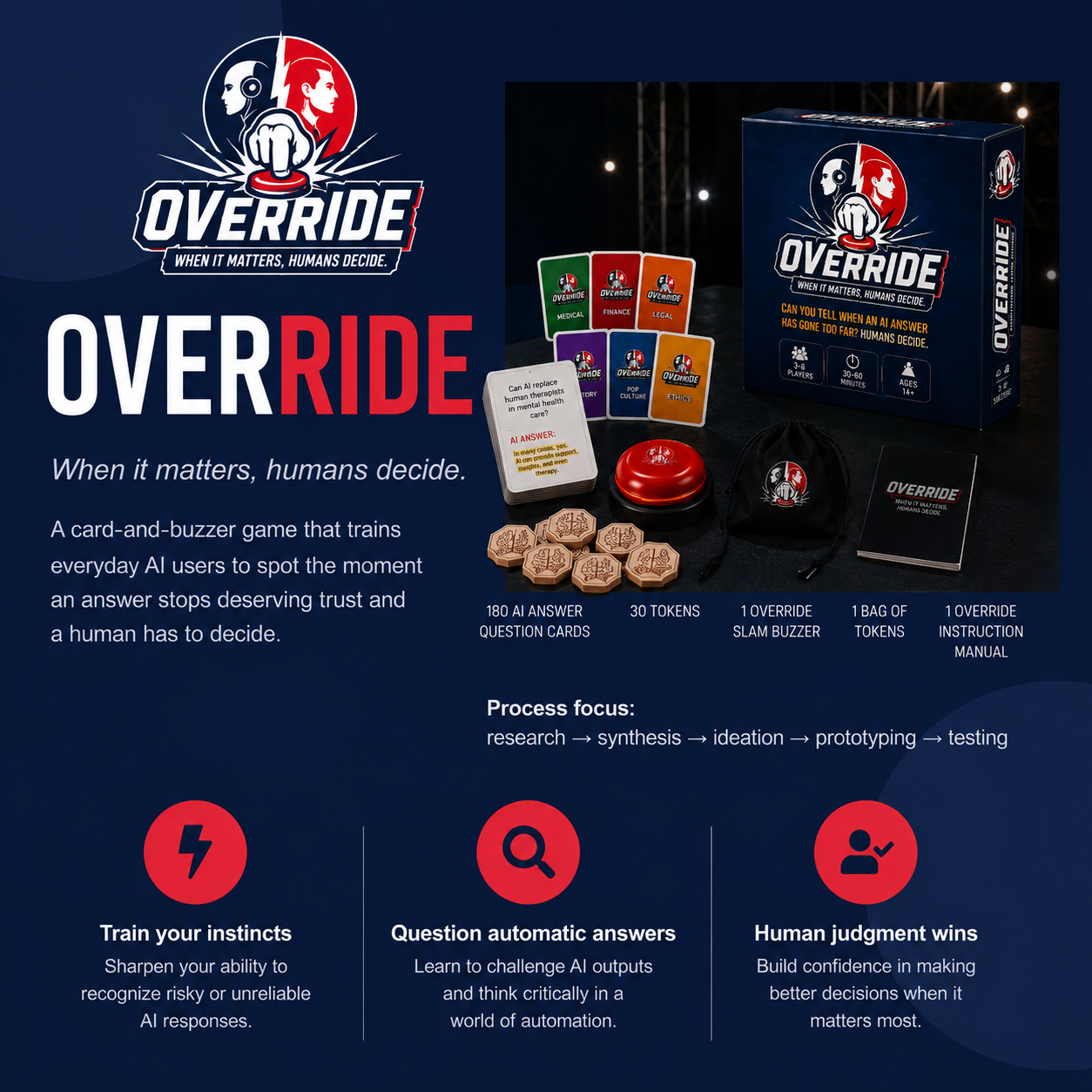
OVERRIDE is a tangible card-and-buzzer game that trains players to spot when AI gets it wrong. Designed by a three-person interdisciplinary team of grad students over a two-week design thinking sprint. Grounded in user interviews revealing that people rely on AI while quietly doubting it, the game has players race to "override" AI-generated answers that are misleading or overconfident, building a verification reflex through play rather than lecture. Early testers rated it 8/10 for fun and 9/10 for ease of learning. I led design and project management, owning the personas, branding, card and packaging system, and physical prototypes from paper drafts to the final branded build.
Hollywood’s Gender Gap:
Data Storytelling
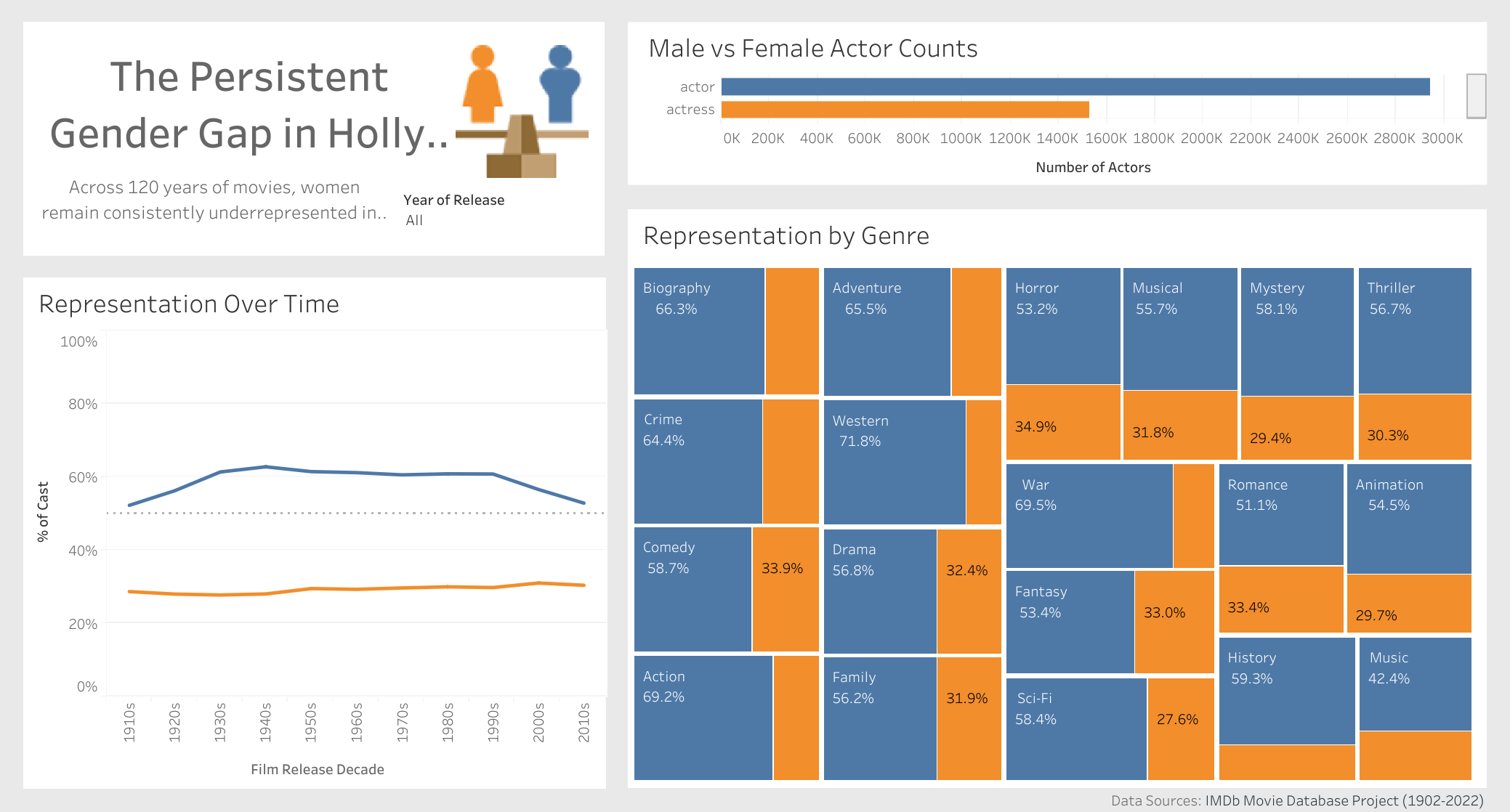
This solo data visualization project transformed a film dataset spanning 120 years and 30+ categories into a single, self-explanatory story: Hollywood's persistent gender gap. Through exploratory analysis, I narrowed dozens of variables down to the ones supporting one clear narrative, then designed a one-page interactive dashboard with three coordinated views: a bar chart for scale, a line chart showing that men have held 60–65% of cast roles for over a century, and a treemap revealing which genres drive the imbalance. The result demonstrates strategic data curation as a UX skill: eliminating noise so the insight reveals itself without the user having to search for it.
IIBA: Homepage Redesign
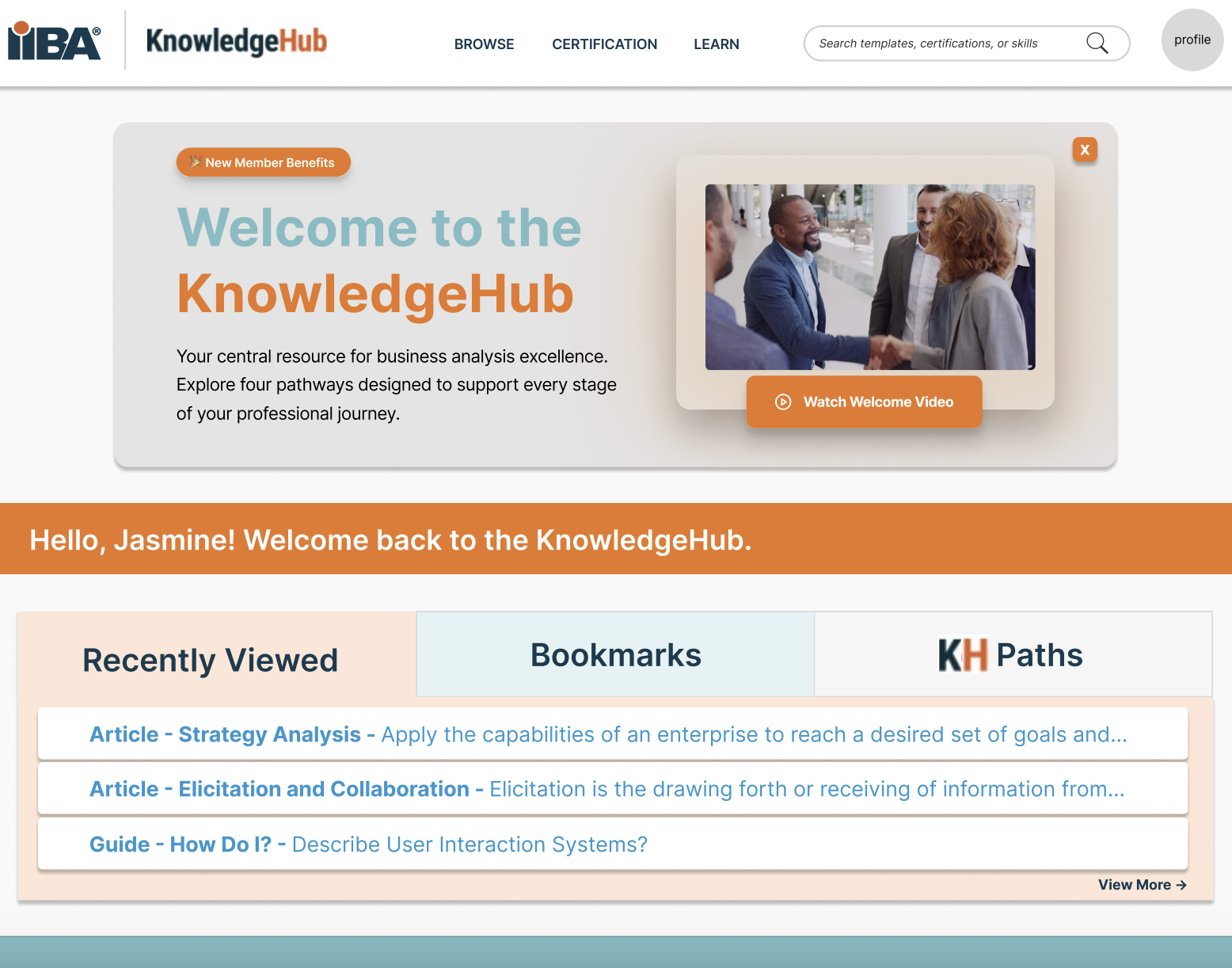
A three-person team of Rutgers UX graduate students redesigned the IIBA KnowledgeHub homepage, which buried 1,500+ pages of valuable content behind an overwhelming wall of links. Our survey of 161 members found 61% didn't even know the AI assistant existed. Grounded in mixed-methods research, we transformed the homepage into a goal-based router with persona pathways and a filterable Resource Library, validated by 89% of tested users. As project manager, I led coordination and stakeholder facilitation while contributing to research, information architecture, and design.
Kobo: Website Redesign
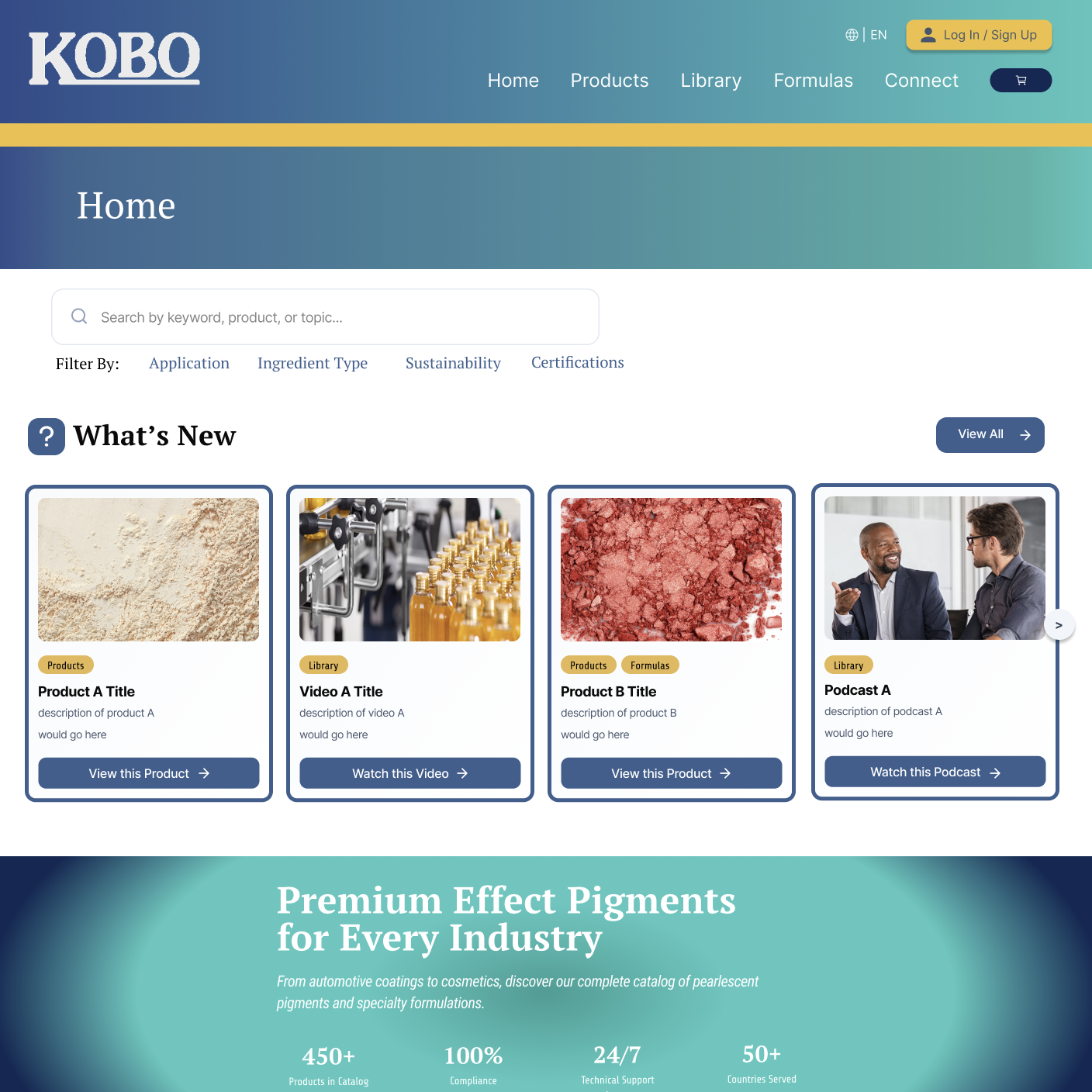
This project was a research-driven redesign of the Kobo website, whose dated interface risked undermining user trust in the brand. Through IA evaluation, competitive and SWOT analysis, heuristic evaluation, and user interviews synthesized into personas and a journey map, our five-person student team identified where the experience broke down and designed a modern, streamlined interface that simplifies browsing products and ordering samples. As lead designer and project manager, I led the design strategy, coordinated workflow, and mentored three undergraduates new to design, delivering an evidence-backed concept and actionable recommendations to modernize Kobo's digital presence.